


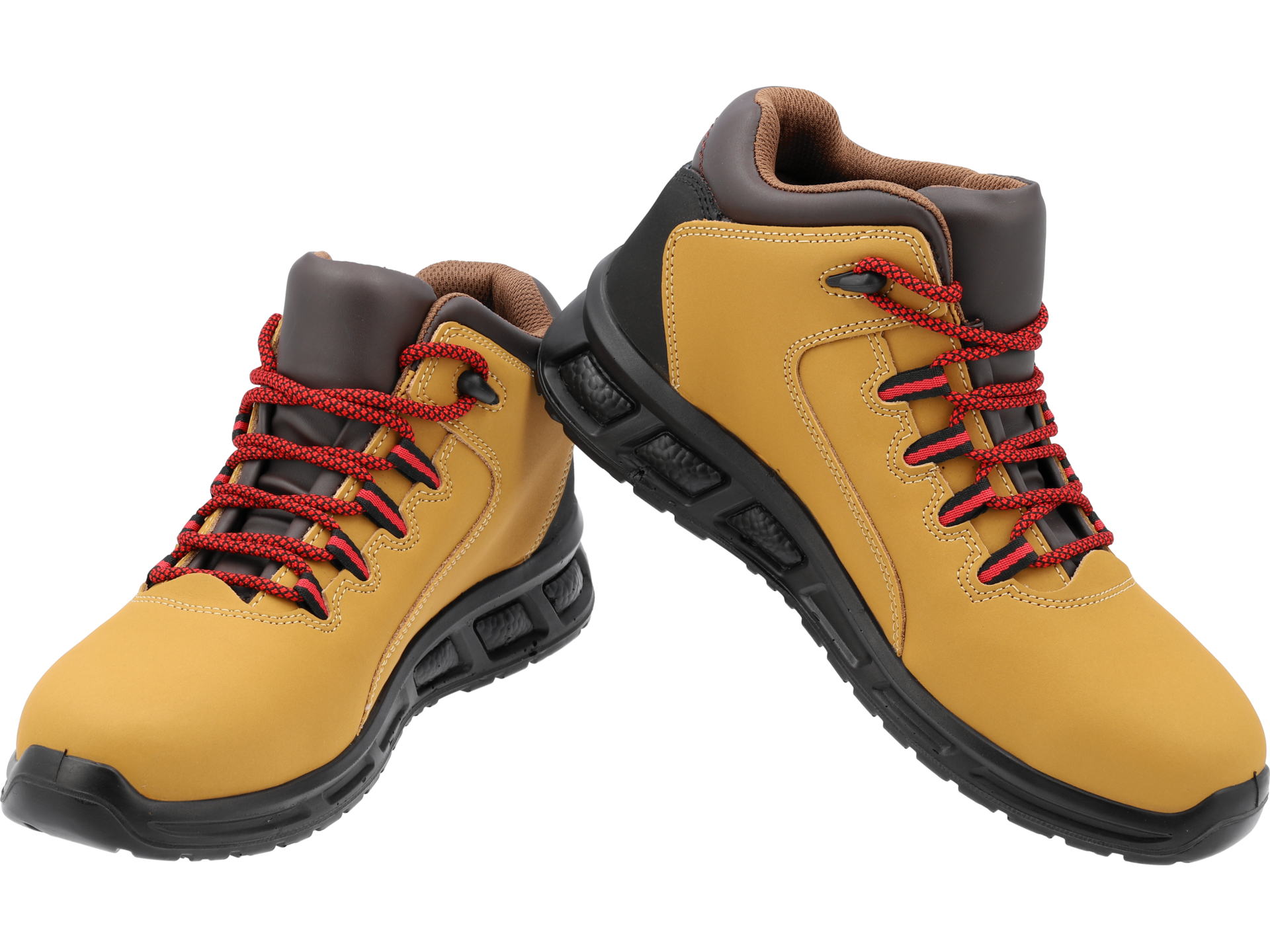
YATO TICAT S3S Safety Boots Size 47



Key information
Availability:Available from manufacturer — dispatch in 3 days
Shipping time:3 days
Shipping cost:From 3.29 Euro
catalog number:YT-80840
Availability:
EAN code:5906083109874
Product condition:New, originally packaged
Guarantee:24 months of consumer protection
Weight:1,80 kg
By purchasing this product, you will receive 346 points from us, which you can use for shopping in our store. This applies only to customers registered in our store.
- Product description
- Product reviews (0)
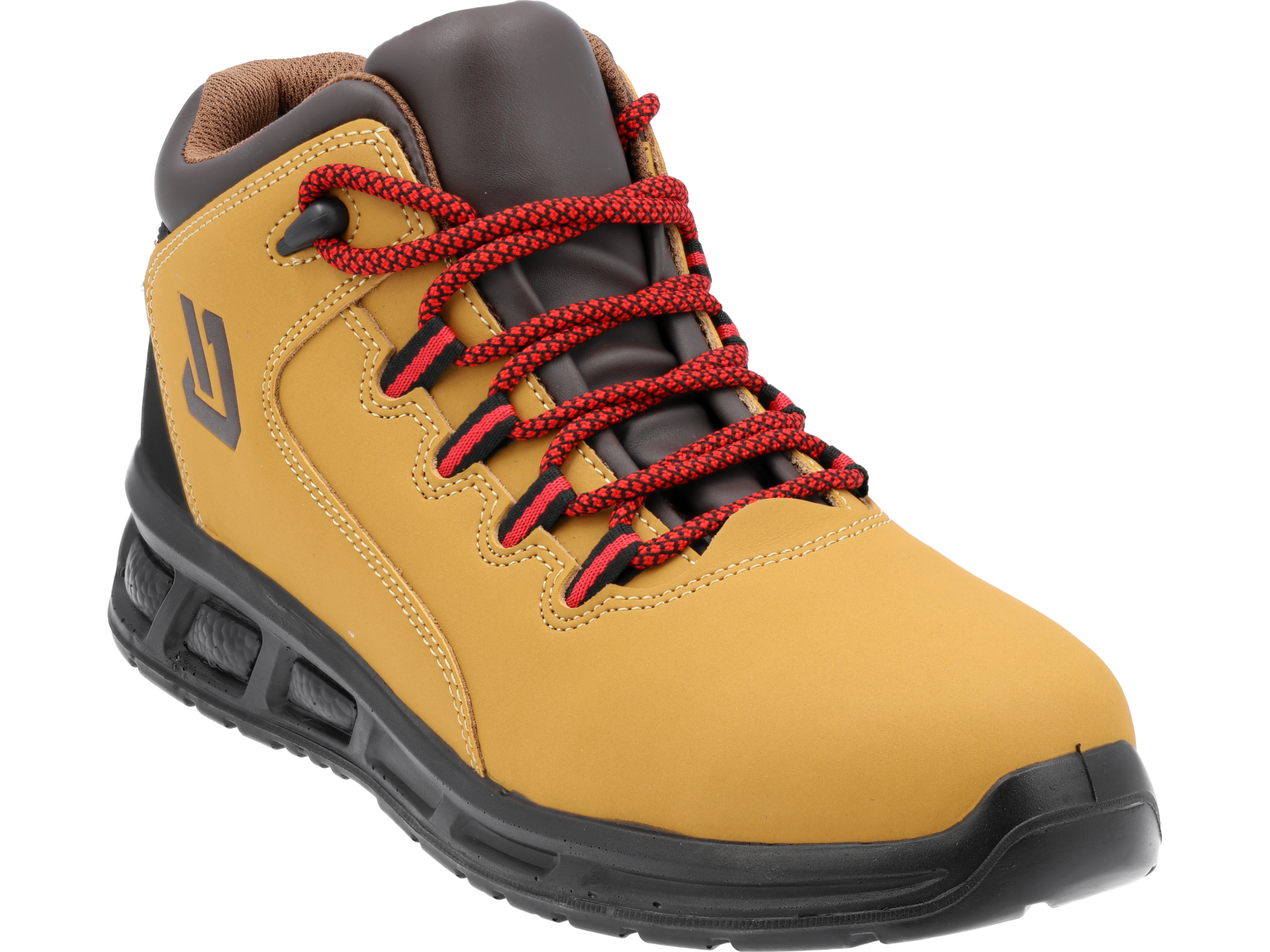
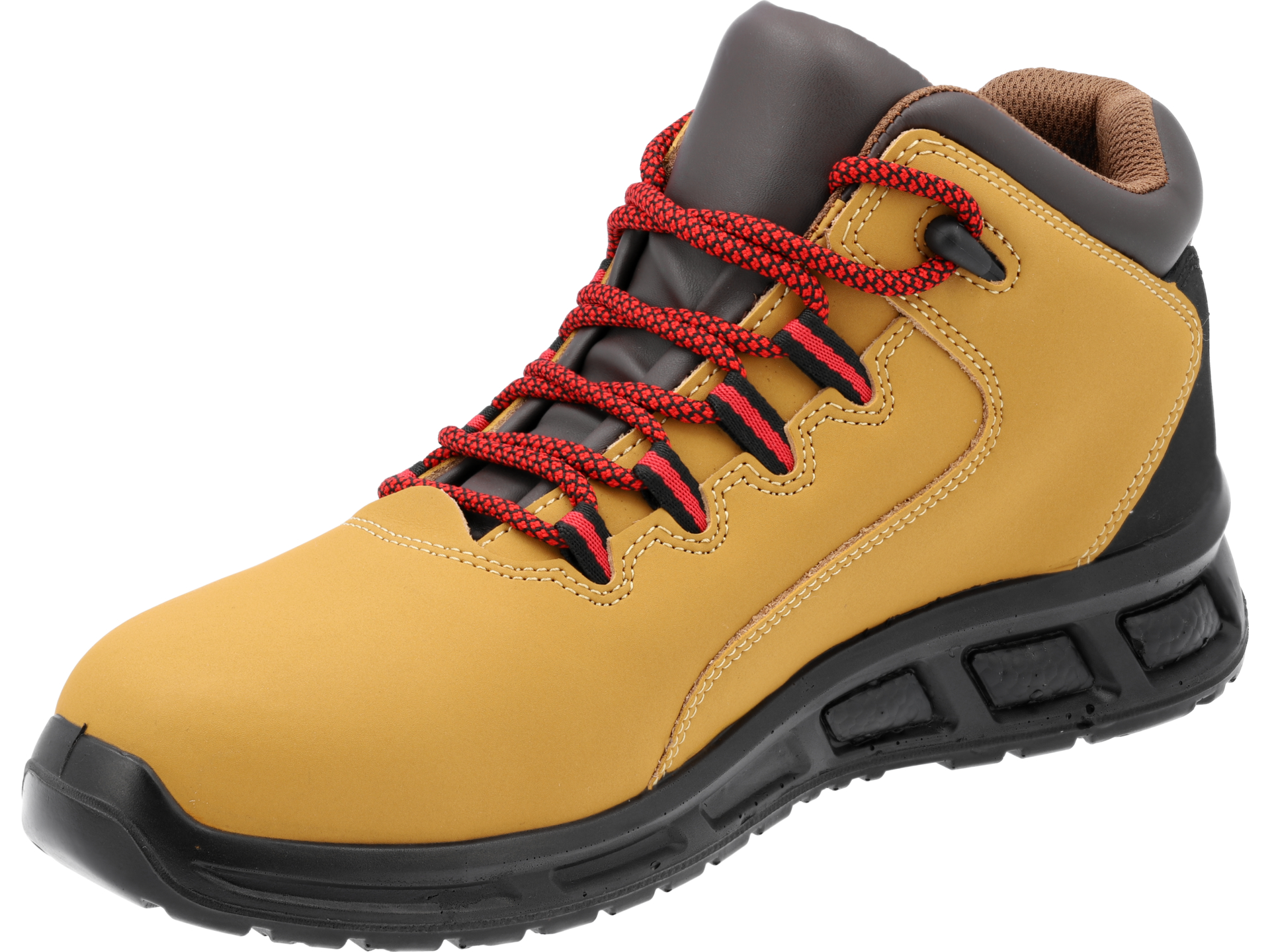
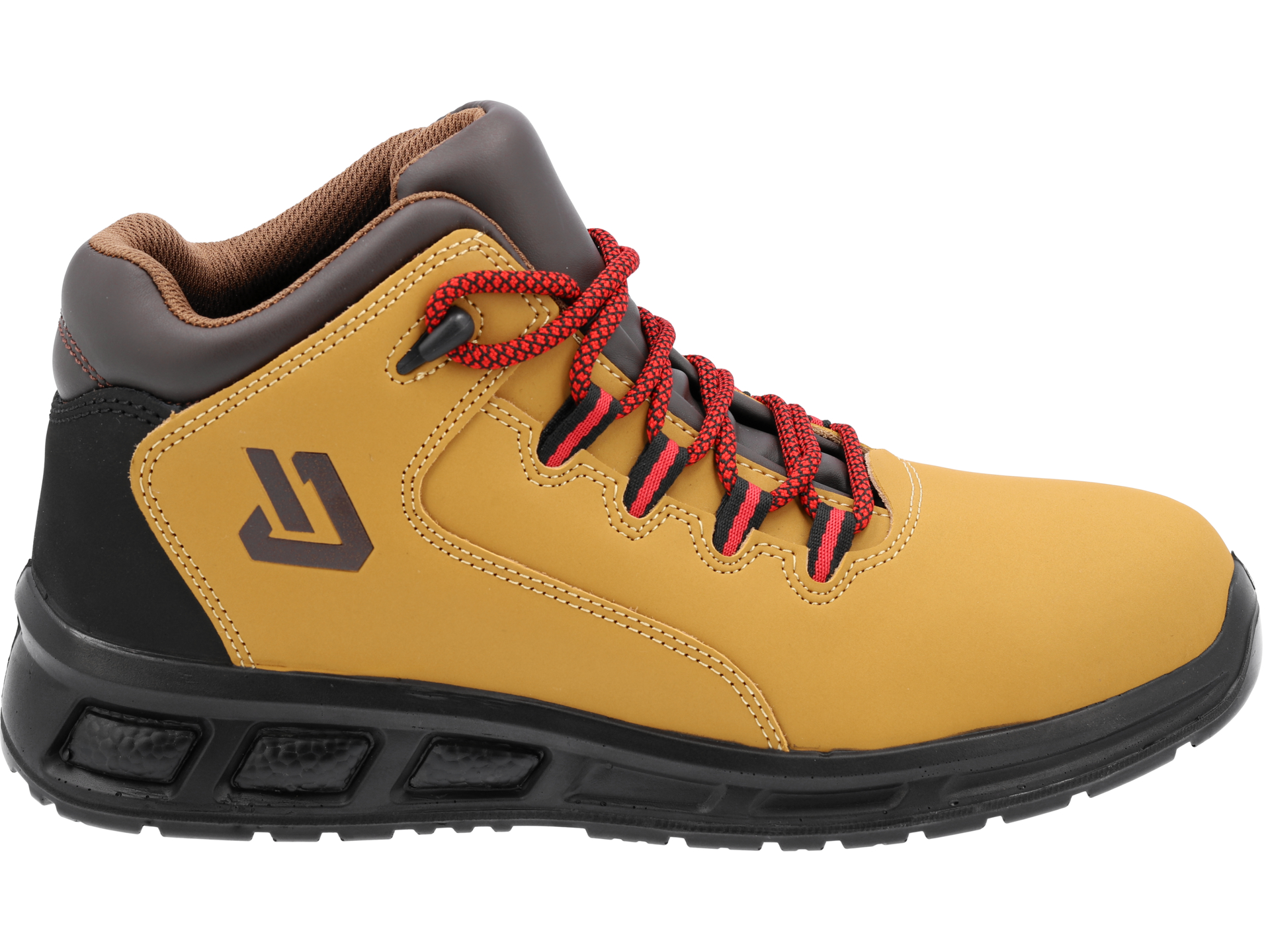
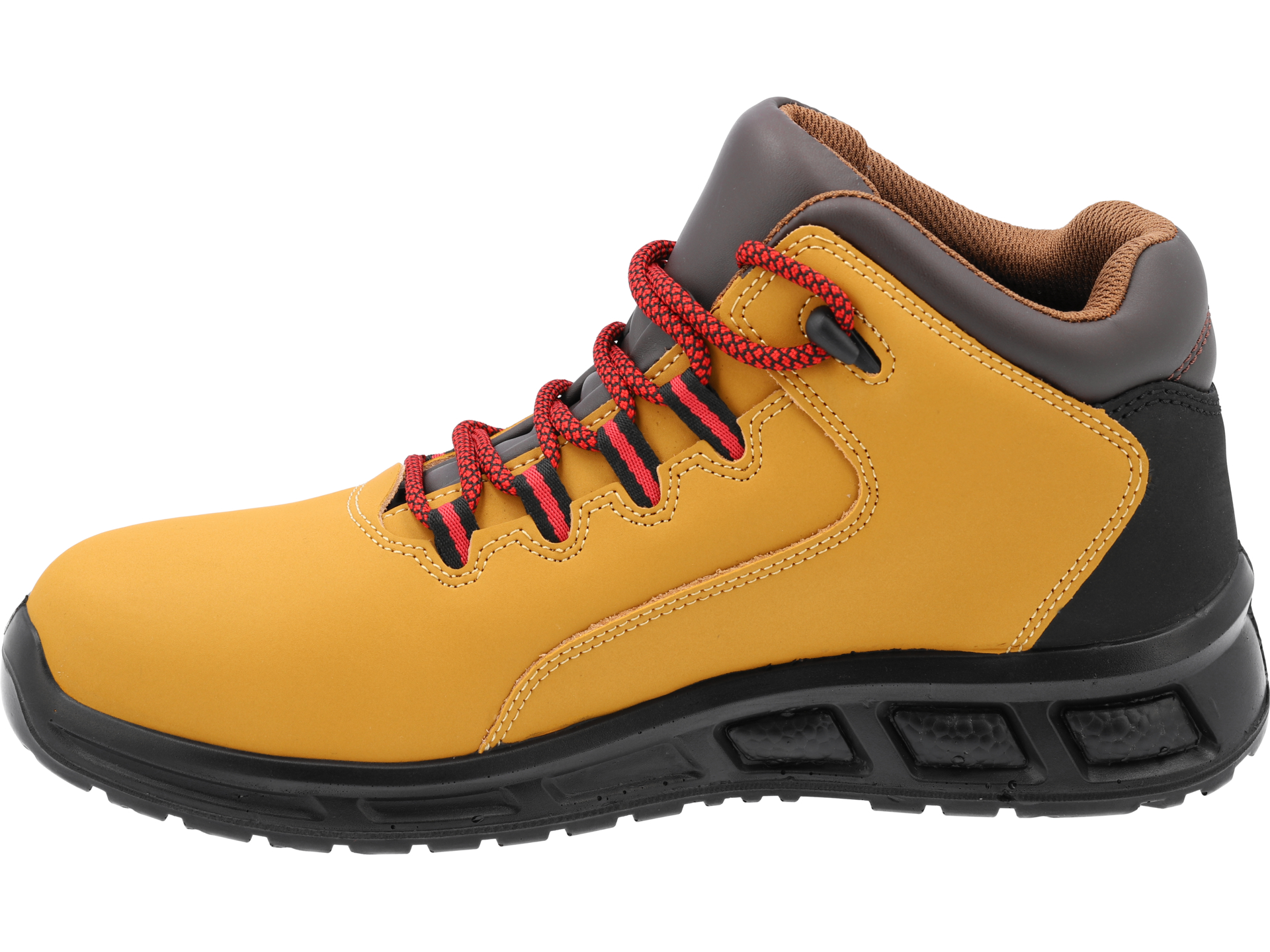
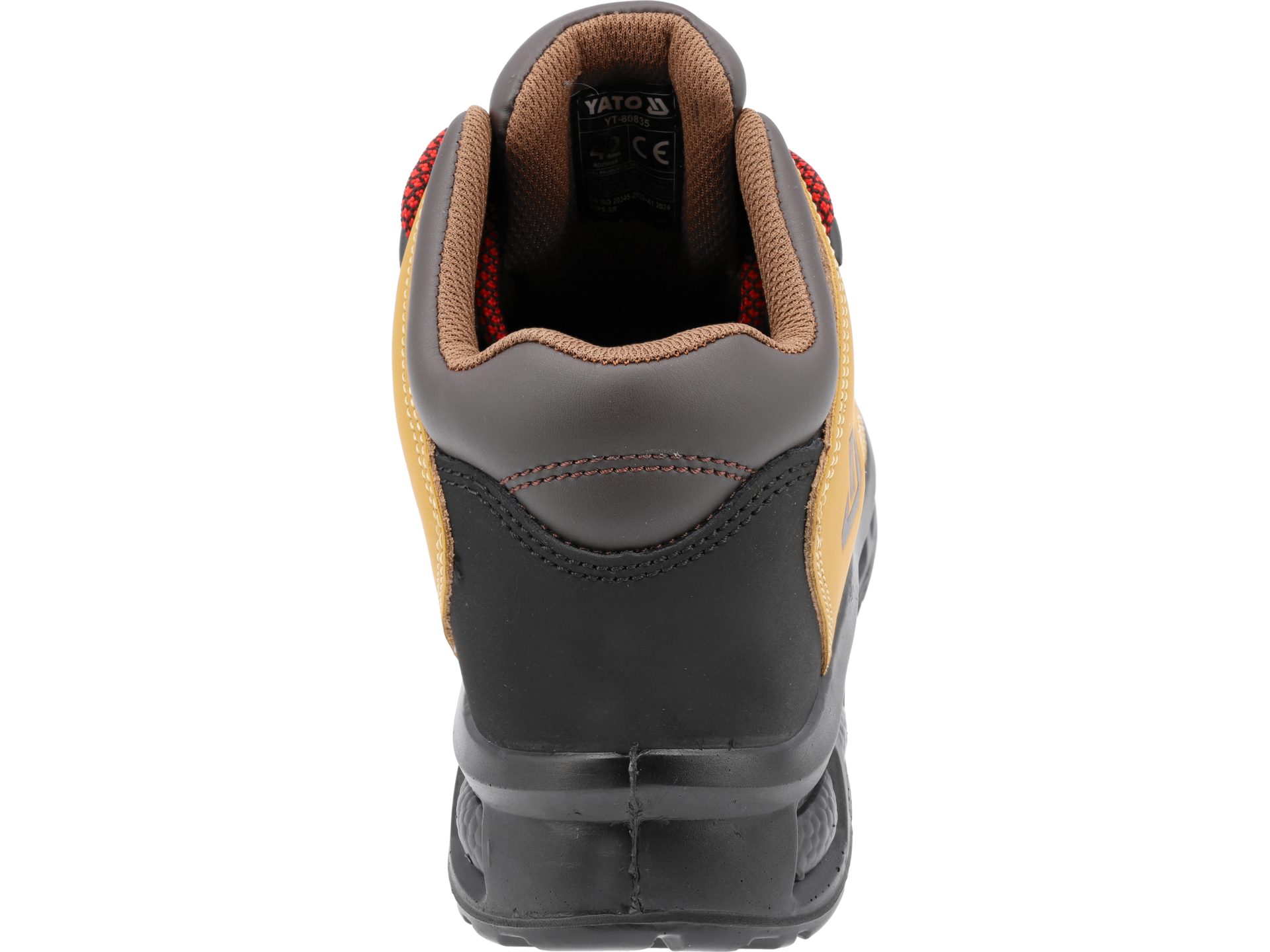
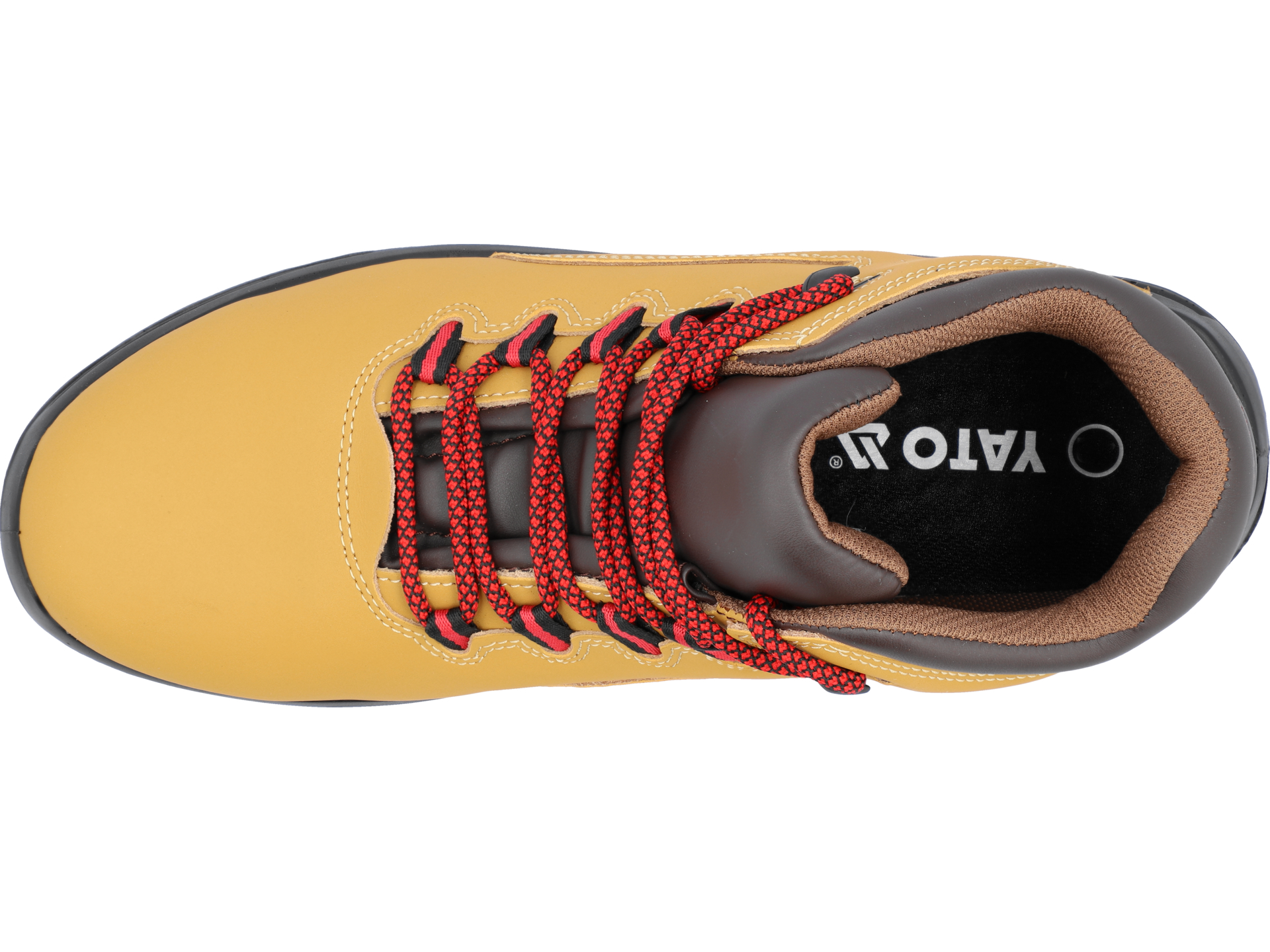
YATO TICAT S3S Safety Boots, Size 47 (model YT-80840)
S3S category safety footwear with a fibreglass toe cap and a penetration-resistant insert. The construction combines natural nubuck leather with a two-layer ETPU/PU sole, providing mechanical protection, water resistance and comfort during long shifts in demanding conditions.
Features of S3S safety boots
Fibreglass toe cap
The toe cap withstands impacts of 200 J and compression of 15 kN, protecting the toes from injury. Fibreglass is around 50% lighter than steel, does not conduct heat and does not trigger metal detectors, which improves thermal comfort and speeds up access checks at industrial sites.
Composite penetration-resistant insert
The flexible insert withstands a penetration force of up to 1100 N in accordance with EN 20345. Made from the same material as bulletproof vests, it preserves the foot's flexibility when walking, unlike rigid steel inserts. It protects against penetration by sharp objects across the full sole area.
ETPU/PU sole with shock absorption
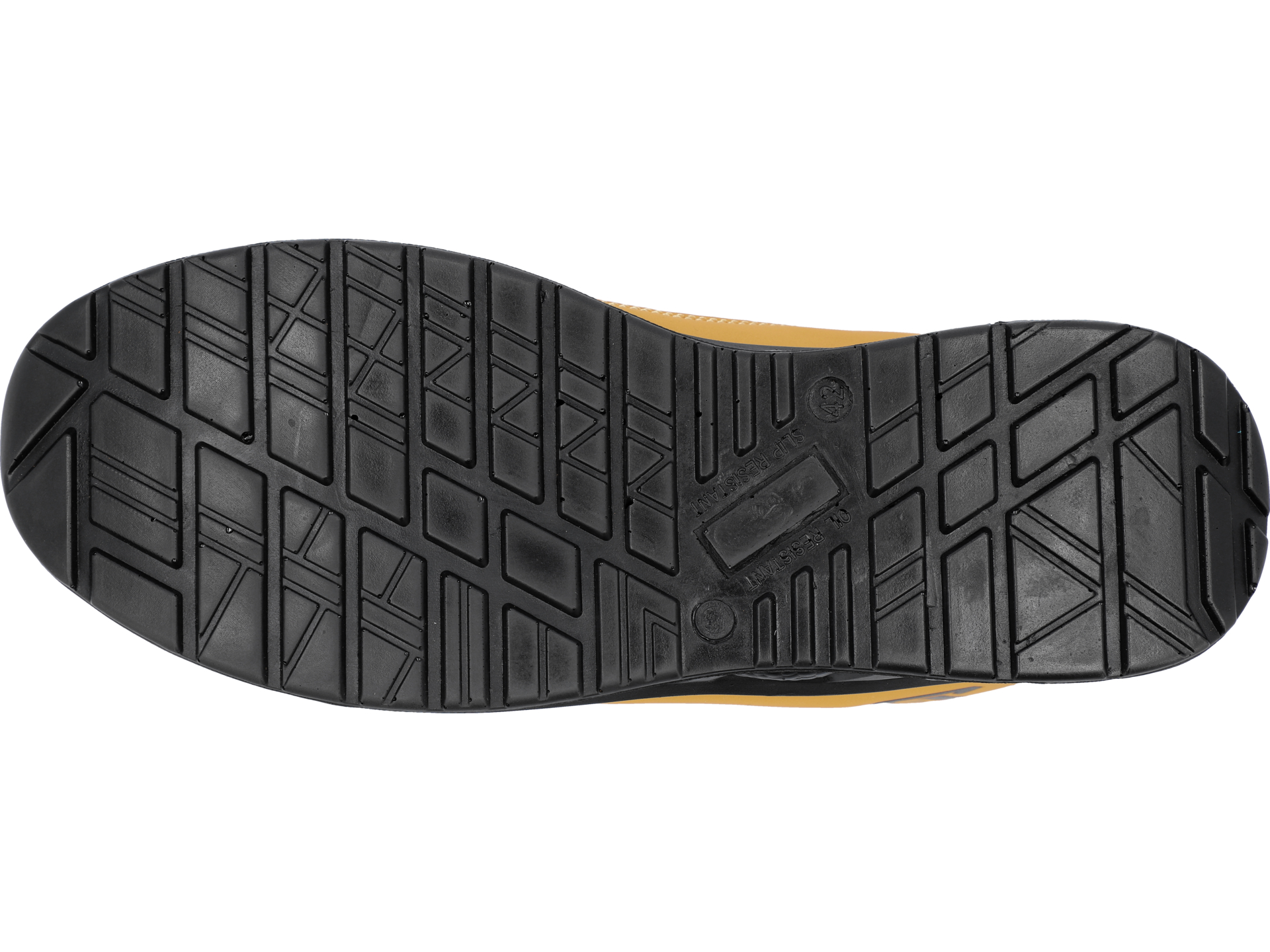
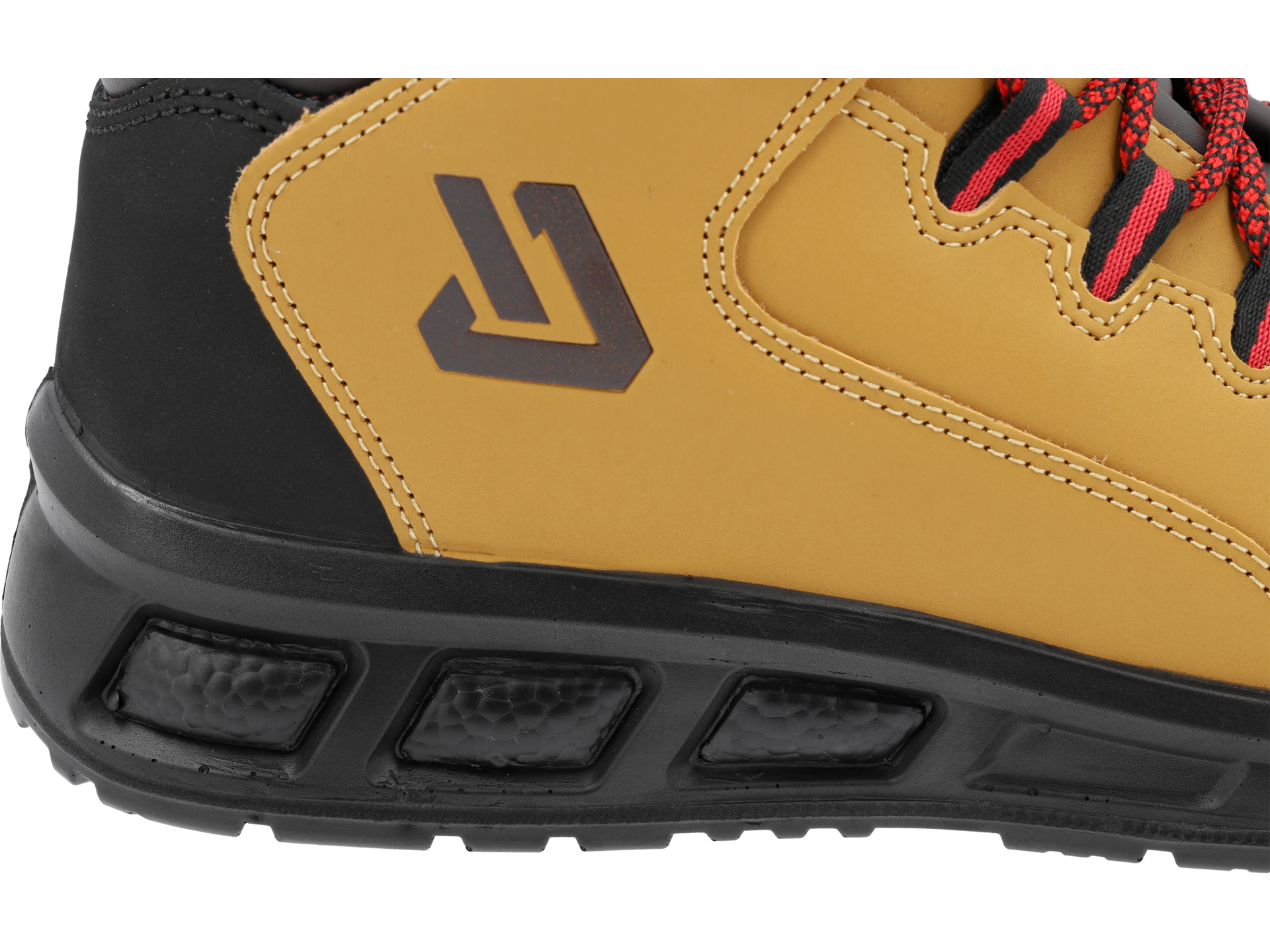
The two-layer construction combines an expanded thermoplastic polyurethane (ETPU) midsole with an outer polyurethane (PU) layer. ETPU provides cushioning and energy return, reducing foot fatigue by around 30%. The PU layer guarantees oil resistance, SR slip resistance and antistatic properties. Energy absorption under the heel reduces strain on the joints.
Nubuck leather upper
Natural nubuck leather provides mechanical durability and abrasion resistance. Special inserts at the tongue prevent water ingress, meeting the S3 category requirements for water resistance. The material is breathable, which prevents excessive foot perspiration during intensive work.
Technical specification
| Model | YT-80840 |
| Brand | YATO |
| Series | TICAT |
| Size | 47 |
| Safety category | S3S |
| Standard | EN 20345 |
| Upper material | Natural nubuck leather |
| Sole material | ETPU/PU (two-layer) |
| Toe cap type | Fibreglass |
| Toe cap resistance | 200 J / 15 kN |
| Penetration-resistant insert | Composite (1100 N) |
| Slip resistance | SR (ceramic and steel with detergent) |
| Sole properties | Oil-resistant, antistatic, shock absorption under the heel |
| Water resistance | Yes (inserts at the tongue) |
Understanding the S3S category
The S3S category to EN 20345 covers all S3 requirements (200 J toe cap, penetration-resistant insert, water-resistant upper, slip resistance, antistatic properties, energy absorption under the heel, oil resistance) plus the letter "S", which indicates that the penetration-resistant insert is made of a non-metallic material, increasing the flexibility of the footwear.
Applications of S3S safety footwear
- Construction work – protection against falling tools, sharp structural components and moisture on site
- Warehouses and logistics – safety when operating forklift trucks, moving pallets and working in cold stores
- Heavy industry – protection against mechanical hazards in steelworks, metallurgical plants and machine rooms
- Light industry – protection in manufacturing plants with a risk of falling objects and contact with oils
- Mechanical workshops – work on vehicle repairs, machine operation and contact with chemicals
- Industrial installations – maintenance and assembly of equipment in environments with electrical hazards (antistatic properties)
- Transport work – loading, unloading and handling equipment in conditions exposed to moisture and oils
- Technical services – repair work requiring frequent movement over uneven surfaces
Comparison of toe cap and insert types
Fibreglass vs steel toe cap
A fibreglass toe cap weighs 40-50% less than a steel one at the same 200 J resistance. It does not conduct heat or cold, eliminating thermal discomfort in extreme temperatures. It contains no metal, so it does not have to be removed during security checks. A steel toe cap is cheaper to produce but heavier and conducts temperature, which can be a nuisance during prolonged use.
Composite vs steel penetration-resistant insert
A composite insert (often aramid or another composite material) is flexible, adapts to the foot when walking and does not restrict natural movement. It withstands a force of 1100 N in accordance with the standard. A steel insert is rigid, which can cause discomfort when walking for longer periods, but it is thinner. Composite does not conduct temperature and does not trigger metal detectors, which is an advantage in many working environments.
Use and maintenance
Before first use, check that size 47 matches your foot length (typically 30.5-31 cm). The footwear should leave around 1 cm of clearance in front of the toes. Nubuck leather requires waterproofing with natural leather treatments every 2-3 weeks of intensive use.
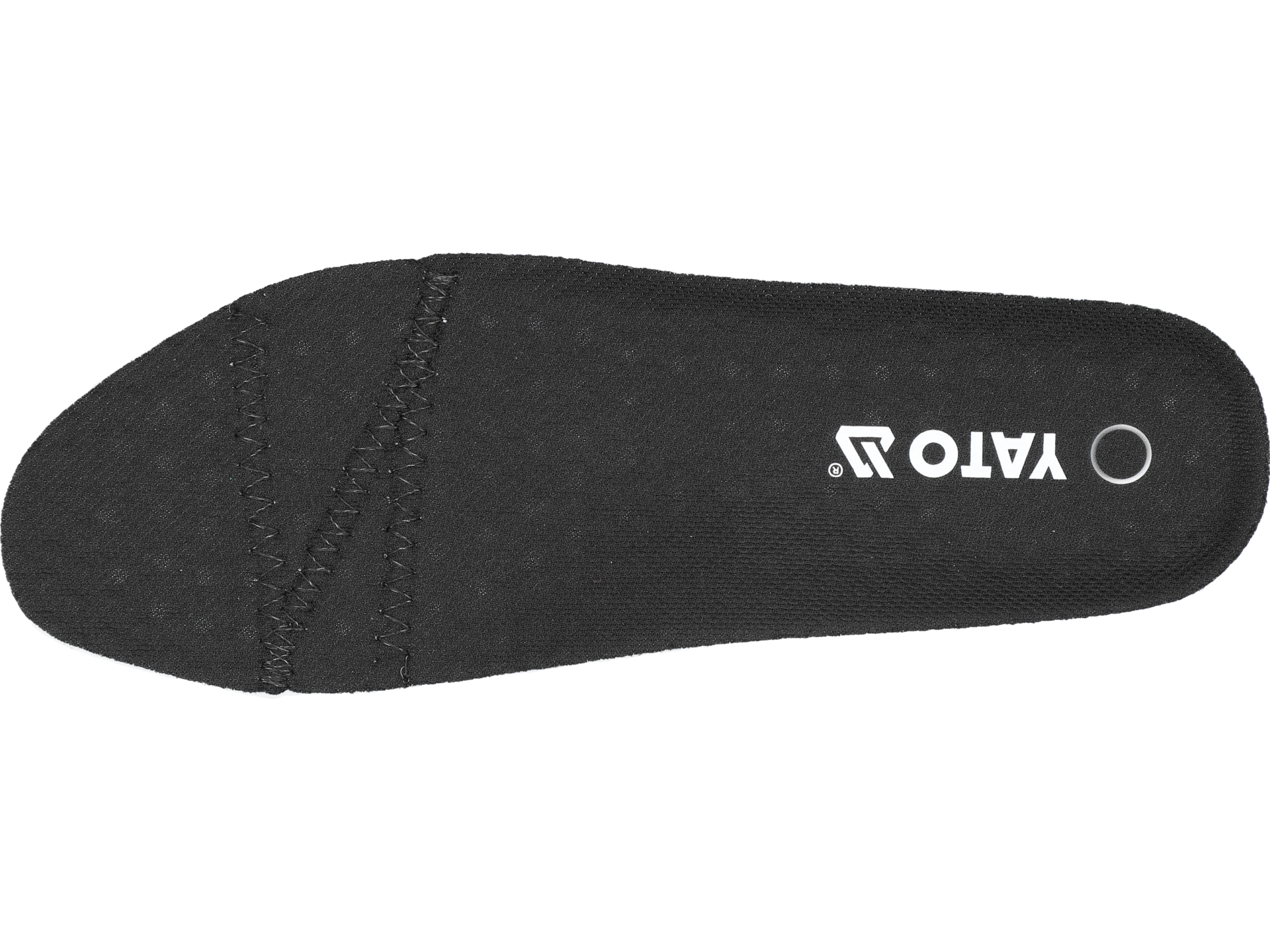
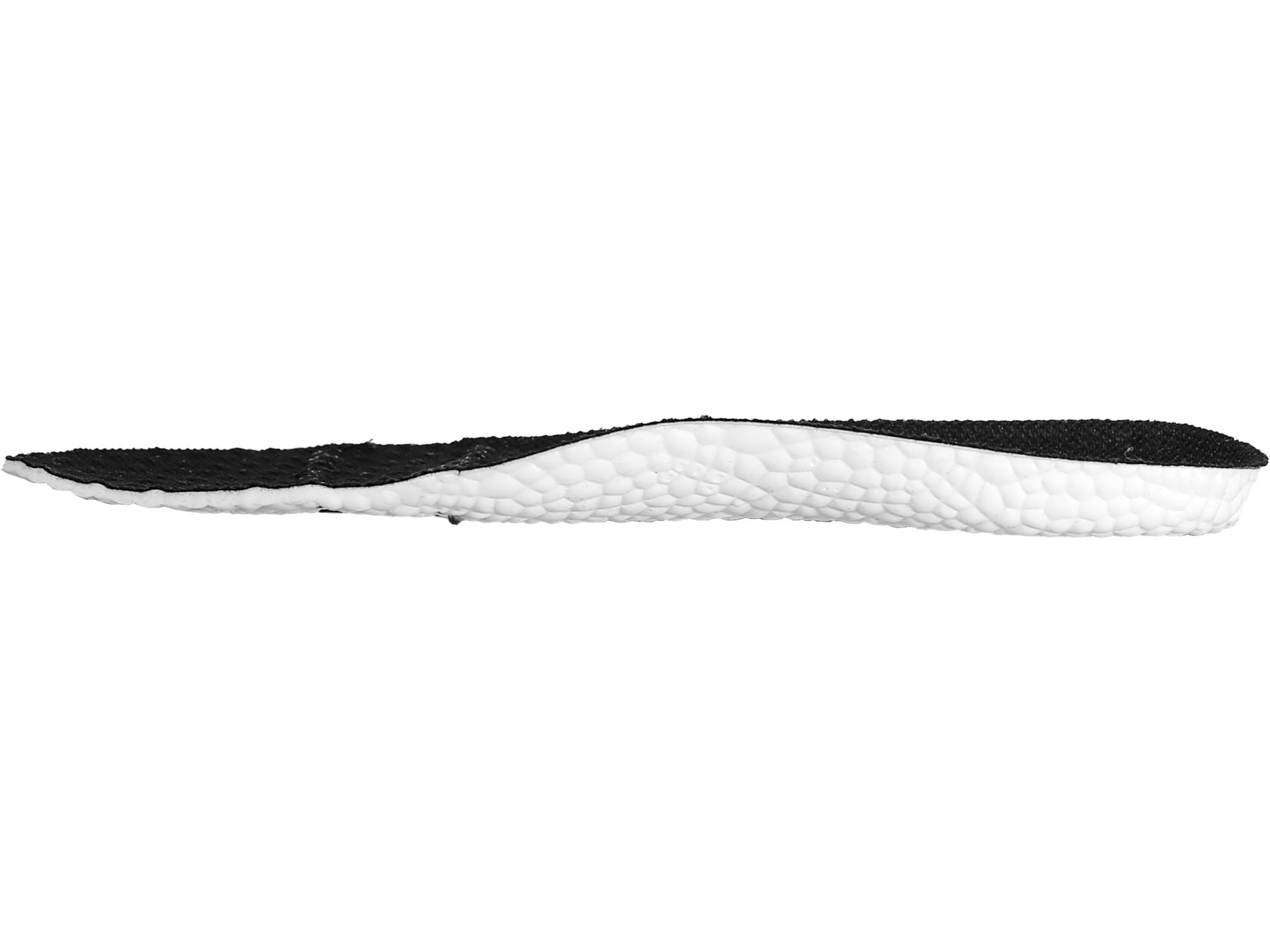
The ETPU/PU sole retains its slip-resistant properties for around 12-18 months with daily use. After work, clean the sole of mud and greasy substances that can reduce grip. Insoles are worth replacing every 6 months to maintain hygiene and cushioning.
The antistatic properties require electrical resistance to fall within the range of 100 kΩ - 1000 MΩ. Avoid using insoles made of insulating materials, which may disrupt these properties. The footwear is not intended for work in environments with electrical voltage – category I (insulating) boots are designed for that purpose.
Checking compatibility with workstation requirements
The S3S category meets the requirements of most workstations.
Commercial information
Nobody has written a review for this product yet. Be the first to write a review.
Write a review for this product and you will receive 100 points from us that you can use for shopping in our store. This applies only to customers logged in and registered in our store.
Only registered customers can write product reviews. If you have an account in our store, log in to it, if not, create a free account and write a review.
