


Double-Sided Sanding Sponge P60 07911 VOREL



Key information
Availability:Temporarily out of stock — ask for availability
Shipping cost:From 3.29 Euro
catalog number:07911
Availability:
EAN code:5906083079115
Product condition:New, originally packaged
Guarantee:24 months of consumer protection
Weight:0,02 kg
By purchasing this product, you will receive 7 points from us, which you can use for shopping in our store. This applies only to customers registered in our store.
- Product description
- Product reviews (0)
Double-Sided Sanding Sponge P60 07911 VOREL
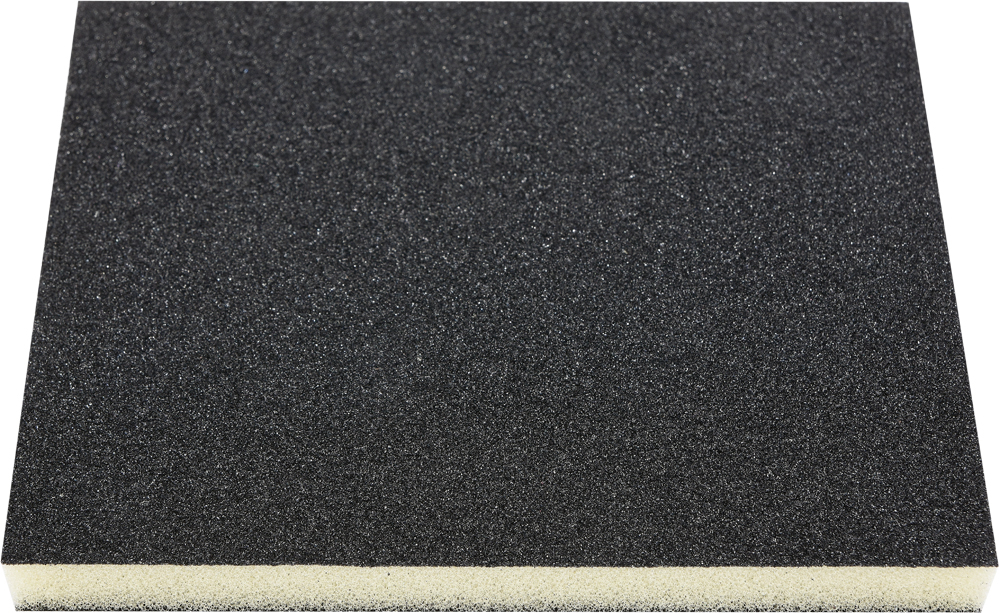
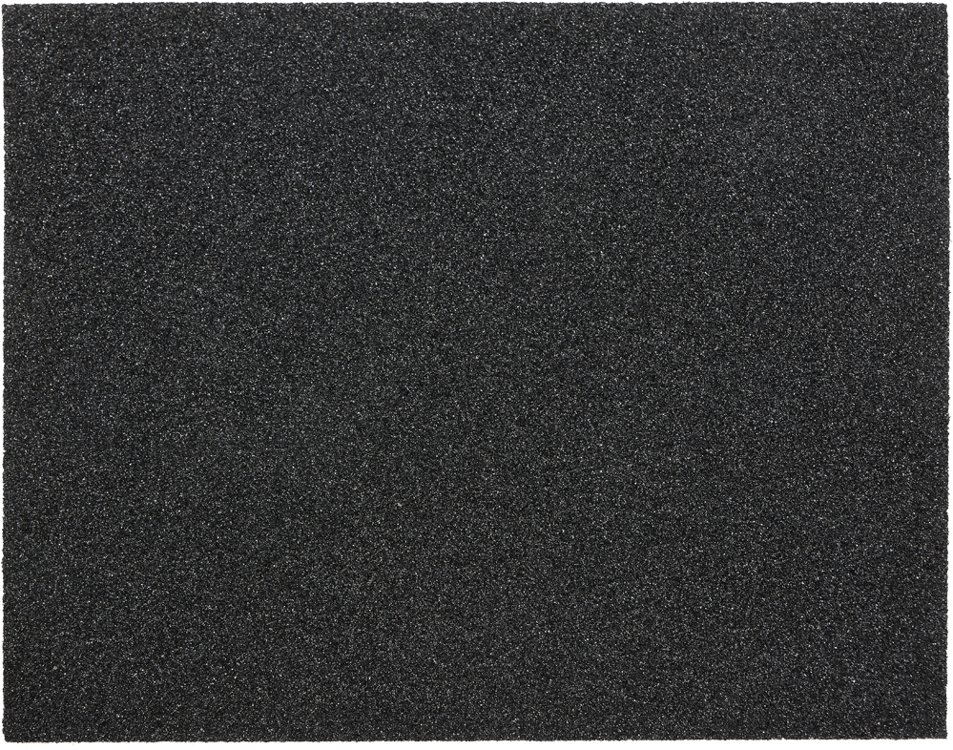
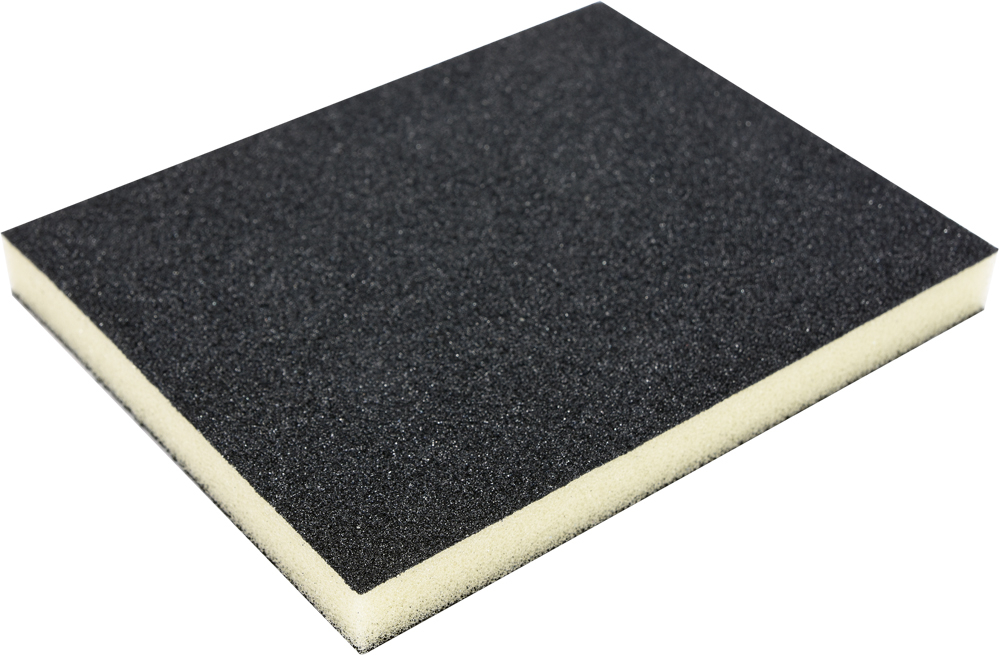
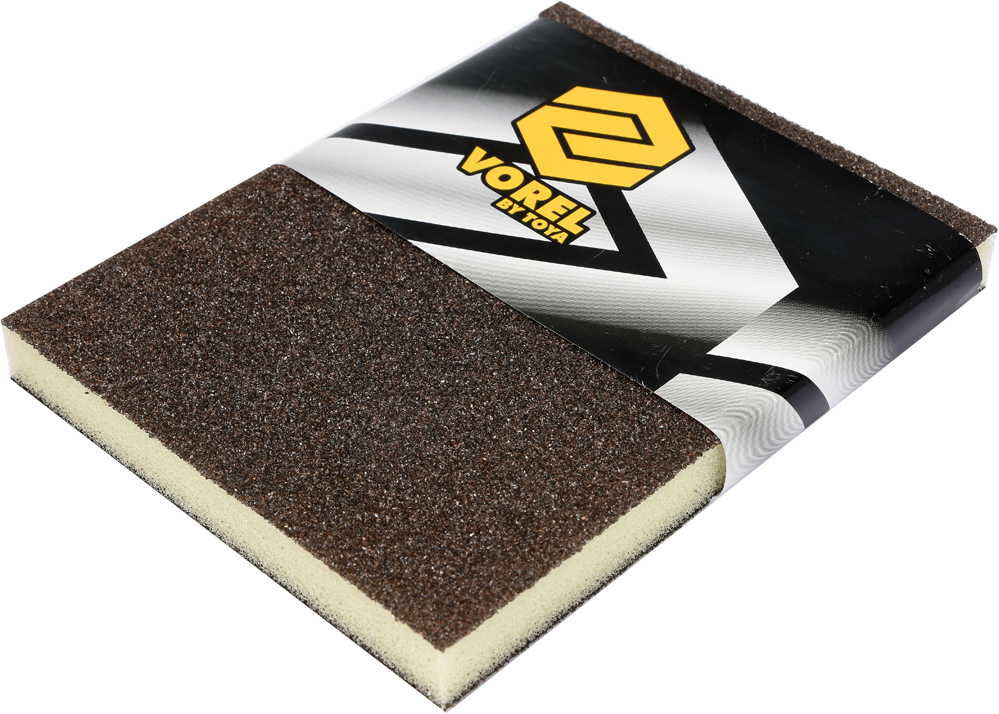
Sanding sponge for finishing work, with aluminium oxide grit coated on both sides in P60 grade. The flexible construction allows irregularly shaped surfaces to be sanded.
Technical features of the sanding sponge
P60 grit – coarse sanding
The P60 grade corresponds to a grain diameter of 265–255 micrometres. It is used for coarse work to remove surface irregularities and old paint coatings, and to prepare surfaces for further sanding. It removes material faster than finer grades, leaving visible scratches.
Aluminium oxide as the abrasive material
Aluminium oxide (Al₂O₃) has a hardness of 9 on the Mohs scale and resists brittle fracture. The aluminium oxide grit self-sharpens during use – the grains fracture to expose new cutting edges, which extends the life of the sponge.
Abrasive grit on both sides
Both sides of the sponge are coated with abrasive, which doubles the working surface. Once one side is worn, work can continue with the other, making the sponge more economical to use. This removes the need for frequent tool changes during work.
Flexible foam construction
The soft foam core adapts to profiles, curves and uneven surfaces. It allows sanding in places that are difficult to reach with rigid abrasive paper. It absorbs uneven pressure, reducing the risk of sanding through.
Technical specification
| Manufacturer | VOREL |
| Model | 07911 |
| Grit | P60 (to FEPA standard) |
| Abrasive material | Aluminium oxide |
| Number of working sides | 2 |
| Tool type | Hand sanding sponge |
| Intended use | Finishing sanding |
Applications of the P60 sanding sponge
- Removing old paint coatings before repainting
- Keying automotive paintwork before further coats are applied
- Sanding automotive and building filler after initial curing
- Working wooden components – removing rough edges and smoothing after cutting
- Preparing plastic surfaces for bonding or painting
- Removing surface rust from tools and metal surfaces
- Sanding profiles, mouldings and irregularly shaped components
- Finishing the edges of MDF, plywood and laminate boards
How to choose the right grit for the job
P60 is a coarse grade. Use it in the initial stages of work, when the priority is to remove material quickly. To finish a surface before painting, work through P120, P180 and P240 in turn. The higher the grit number, the finer the grain and the smoother the surface after sanding.
Use and maintenance
Before you start, make sure the surface is dry and free from loose contamination. Hold the sponge flat and work in strokes parallel to the grain on wood, or in a criss-cross pattern on other materials. Do not apply excessive pressure – the weight of your hand is usually enough for effective sanding.
During use the sponge becomes clogged with sanding dust. Clean the working surface regularly by tapping it out or blowing it through with compressed air. Removing the accumulated dust restores the cutting ability and prevents scratching the surface. Work in a ventilated room or wear an FFP2 dust mask.
When you have finished, clean the dust off the sponge and store it in a dry place. Moisture weakens the bond between the abrasive grit and the backing and shortens the life of the tool. Do not bend or squeeze the sponge during storage – deformation can damage the abrasive layer.
When to replace the sanding sponge
The sponge needs replacing when it no longer removes material effectively, even after the dust has been cleaned off. Signs of wear include a glazed abrasive surface, loss of grit and a longer time needed to achieve the result. Continuing to work with a worn sponge increases the risk of overheating the material and leaving marks that are difficult to remove.
Commercial information
Nobody has written a review for this product yet. Be the first to write a review.
Write a review for this product and you will receive 100 points from us that you can use for shopping in our store. This applies only to customers logged in and registered in our store.
Only registered customers can write product reviews. If you have an account in our store, log in to it, if not, create a free account and write a review.
